Pakistan’s Public Debt Surges to Rs. 81.4 Trillion, Per Citizen Burden Rises to Rs. 325,000
Proposal to allow voluntary debt repayment by wealthy citizens discussed.
By Fahad Masood • Apr 09, 2026
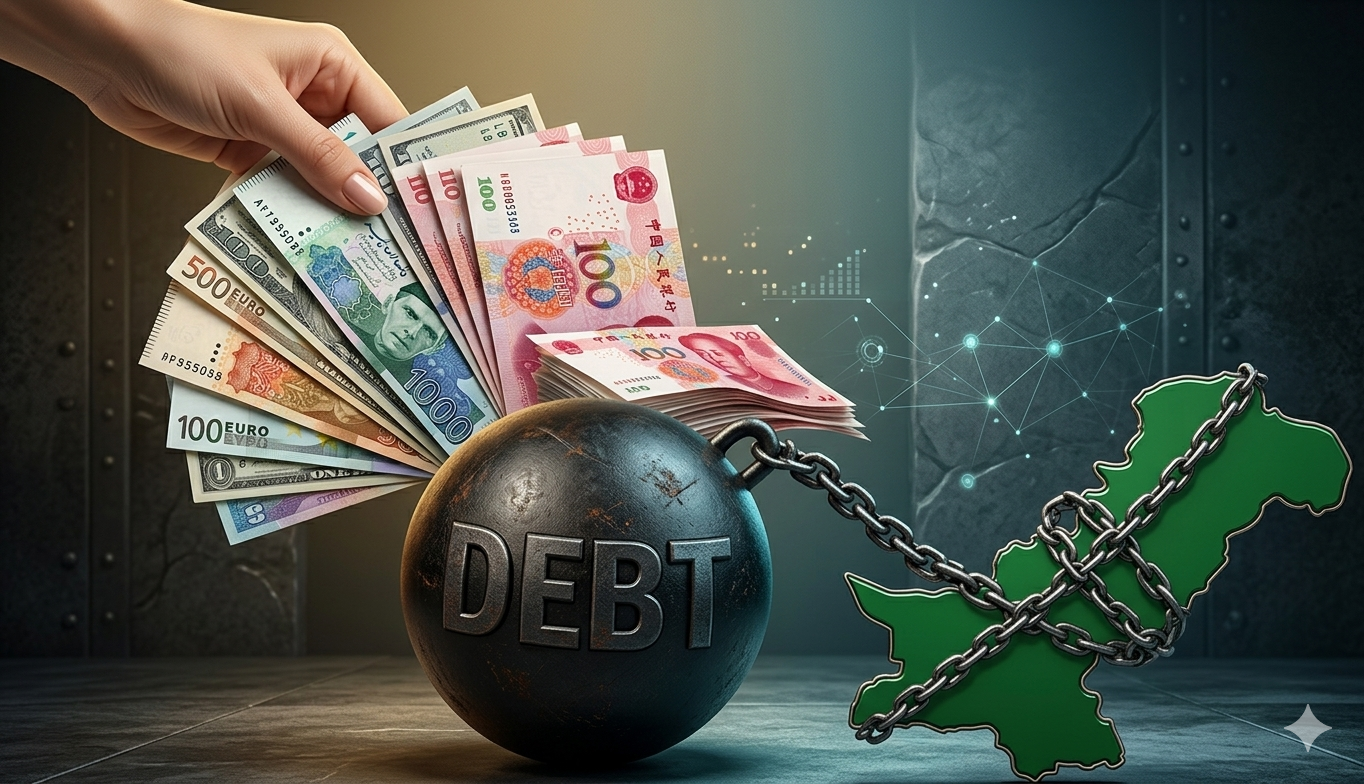
External debt continues to grow as economic pressures mount.
Pakistan’s total public debt has climbed to approximately Rs81.4 trillion, encompassing both domestic and external liabilities, officials informed the Senate Standing Committee on Economic Affairs during a meeting held on April 6, 2026.
According to the Ministry of Finance, external debt alone exceeds Rs21 trillion, reflecting Pakistan’s continued reliance on foreign borrowing to meet its financial obligations. The briefing also revealed that the country’s per capita debt burden has reached around Rs325,000, based on the latest population data.
The meeting, chaired by Senator Saifullah Abro, highlighted that persistent fiscal deficits remain a major driver of rising debt. Officials explained that government expenditures continue to outpace revenues, while heavy reliance on imported fuel—particularly amid fluctuating global oil prices—has further strained the economy.
Committee members expressed concern over the government’s debt management strategy, noting that while domestic debt is regularly serviced, it is often repaid through additional borrowing. This cycle has raised questions about long-term financial sustainability and increasing dependence on loans.
During the session, Senator Abro criticized the lack of concrete steps to reduce non-essential expenditures, including grants allocated to parliamentarians, and urged the Finance Division to adopt stricter fiscal discipline measures.
The Committee also sought further clarification on a Rs65 billion loan provided to commercial banks by the State Bank of Pakistan and requested a detailed breakdown of debt liabilities across provinces for review in the next meeting.
A proposal allowing wealthy citizens to voluntarily contribute toward reducing the national debt was also discussed. Senator Rubina Khalid emphasized that any funds collected under such a scheme must be transparently managed and strictly used for debt repayment to prevent misuse.
In addition to debt-related concerns, the Committee reviewed the progress of the National Health Support Programme. The initiative, originally backed by the World Bank, was designed to improve healthcare infrastructure in Islamabad Capital Territory, Azad Jammu and Kashmir, and Gilgit-Baltistan. However, due to the World Bank’s policy regarding disputed regions, funding for AJK and Gilgit-Baltistan was later discontinued, leaving only Islamabad under the programme.
Launched in late 2022, the project aims to strengthen rural healthcare systems, enhance human resource capacity, and ensure the availability of essential medicines and medical equipment. Despite its objectives, progress has remained limited, with only administrative setup completed so far, while interest payments amounting to approximately $4.178 million have already been incurred.
Expressing concern over the slow pace of implementation, Senator Abro termed such initiatives a “question mark for the nation” and called for accountability. The Committee has summoned the Secretary of the Ministry of National Health Services to provide a detailed update in the upcoming meeting.
Overall, the briefing underscored mounting economic pressures on Pakistan, as rising debt levels, structural fiscal challenges, and slow development progress continue to pose significant risks to financial stability.