national-
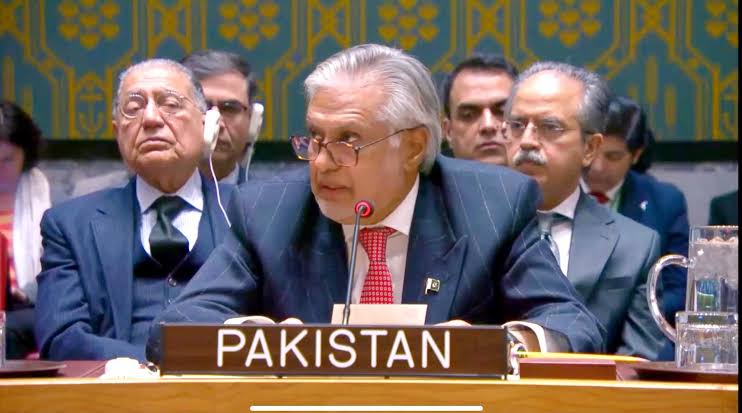
Pakistan has blamed Israel for escalating tensions in the Middle East
4/8/2026, 12:00:00 AM
Pakistan has blamed Israel for escalating tensions in the Middle East, saying recent strikes on Iran undermined efforts to facilitate ceasefire talks between the United States and Iran. Deputy Prime Minister and Foreign Minister Ishaq Dar told the Senate that Israel launched an attack on Tehran at a time when both sides were preparing for engagement. He added that the subsequent strike on Jubail in Saudi Arabia further worsened the situation, making it more dangerous and sensitive. He said the conflict intensified after joint US-Israeli attacks on Iran on February 28, leading to one of the region’s most serious crises. The situation has also caused a sharp rise in global fuel and energy prices, mainly due to Iran’s effective blocking of the Strait of Hormuz. Addressing the Senate, Dar thanked Opposition Leader Senator Raja Nasir Abbas for acknowledging the government’s efforts, adding that Pakistan has remained actively engaged since the start of the crisis. He said that at the time of the first attack on Iran, he was in Madina attending an OIC meeting and immediately directed the Foreign Office to issue a strong condemnation. He also contacted the Iranian foreign minister, conveyed Pakistan’s support and sympathy, and assured efforts to mobilise regional countries for de-escalation. Dar said Pakistan has maintained continuous contact with key countries, including China, Japan, the United Kingdom, Canada, and several European states, to promote restraint and prevent further escalation. He emphasised that Pakistan has acted as a facilitator and mediator, carefully handling its role to avoid undermining sensitive diplomatic efforts. He added that Prime Minister Shehbaz Sharif, Army Chief Syed Asim Munir, and the Foreign Office have remained fully engaged in the process. Dar also informed the Senate that Saudi Arabia hosted a meeting of 12 countries in Riyadh on March 19, where Pakistan helped shape a balanced joint statement that included condemnation of Israel. He said a four-country group comprising Saudi Arabia, Egypt, Türkiye, and Pakistan has been working for peace, with a follow-up meeting later held in Islamabad after initially being planned in Istanbul. Foreign ministers of the three countries visited Pakistan on March 29 for bilateral and quadrilateral discussions to advance peace efforts. He added that Pakistan also engaged China at a high level, and during his visit on March 31, both sides discussed a five-point peace initiative, which was later made public. Dar further said that the United Nations Secretary-General had called him to appreciate Pakistan’s role and offered support for its diplomatic efforts. He noted that Pakistan continued its efforts until the last moment to create space for meaningful engagement, but recent developments have once again complicated the situation. He warned that a prolonged conflict could have serious consequences for the region and beyond, including economic impacts on Pakistan due to rising oil prices. The deputy prime minister expressed hope that continued diplomatic efforts would ultimately restore peace and lead to a dignified resolution of the conflict.
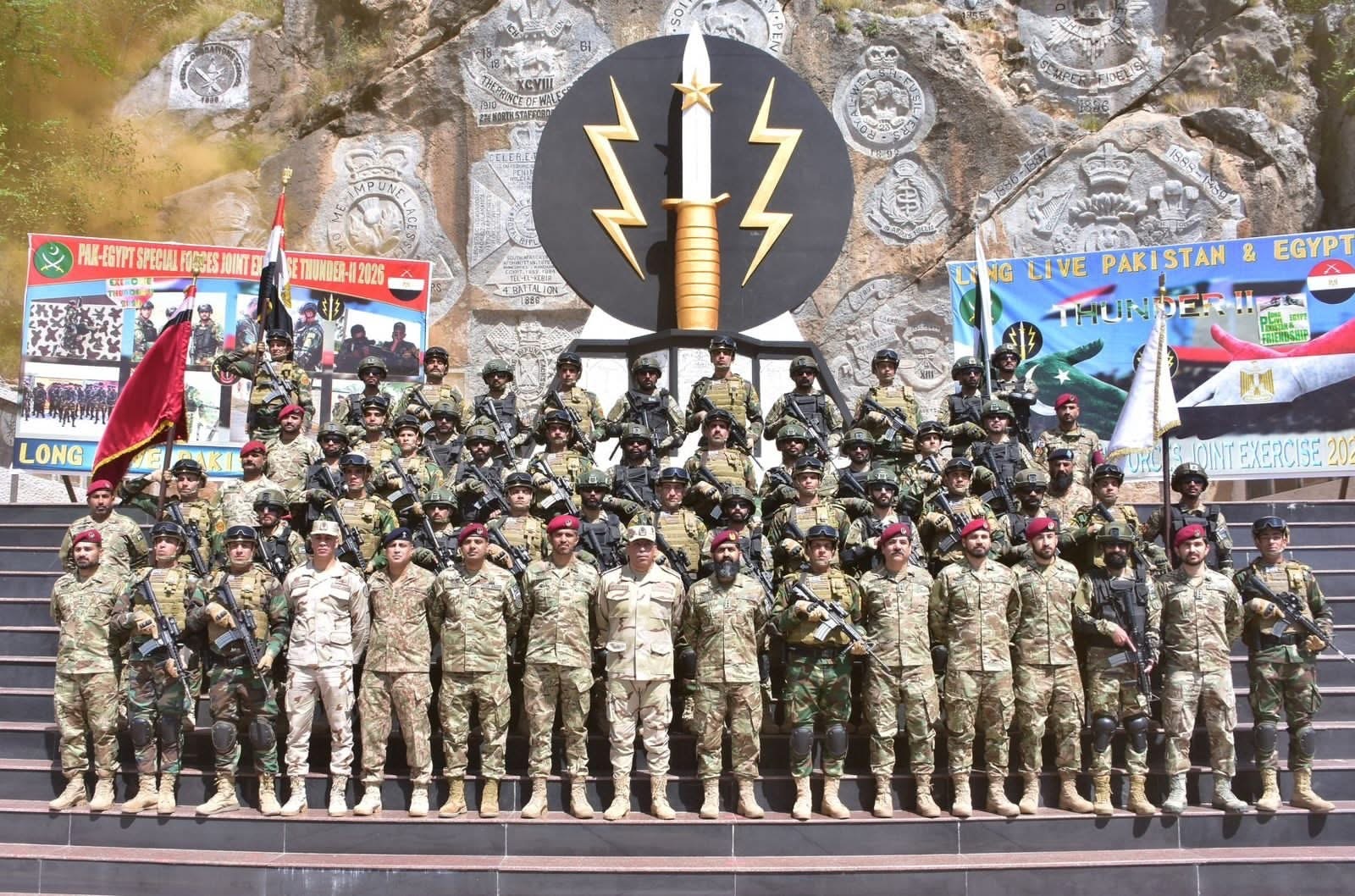
Pakistan–Egypt Joint Exercise Thunder-II is a bilateral counter-terrorism exercise conducted between the armies of Pakistan and Egypt
Pakistan–Egypt Joint Exercise Thunder-II is a bilateral counter-terrorism exercise conducted between the armies of Pakistan and Egypt. Two weeks long exercise commenced on 06 April 2026 at the Special Operations School, Cherat, Pakistan. Troops from the Special Services Group of the Pakistan Army and Special Forces of the Egyptian Army are participating in the exercise. The Commandant Special Operations School, Cherat, graced the opening ceremony as Chief Guest. The exercise is aimed at enhancing professional skills through joint training, while further strengthening the longstanding military-to-military relations between the two friendly countries. Participating troops will benefit from the exchange of mutual experiences and expertise, particularly in the conduct of counter-terrorism operations.
4/7/2026, 1:25:00 AM
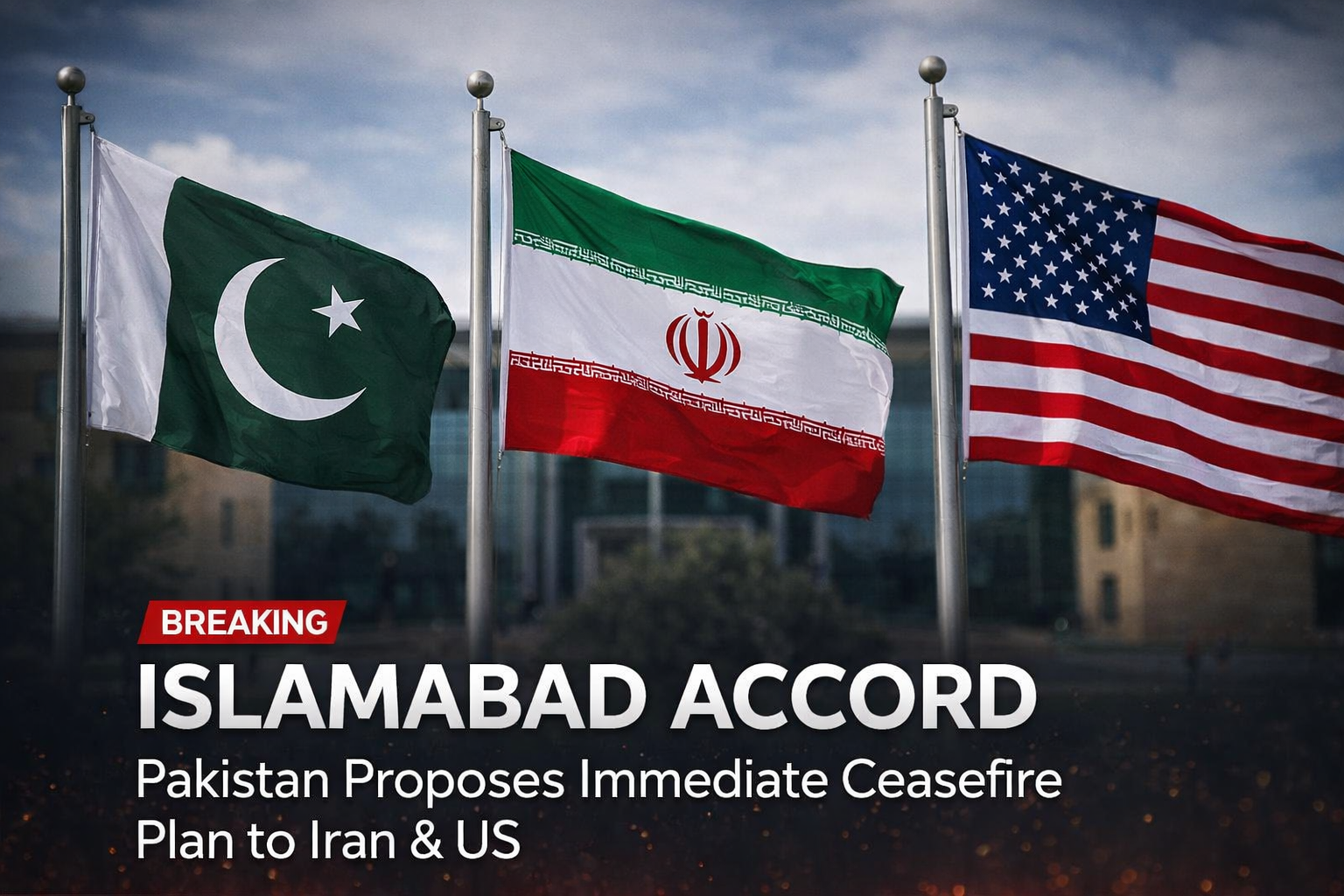
“Islamabad Accord: Pakistan Proposes Immediate Ceasefire Plan to Iran and US”
“Islamabad Accord: Pakistan Proposes Immediate Ceasefire Plan to Iran and US” Pakistan has shared a new plan called the “Islamabad Accord” with Iran and the US to stop fighting immediately and work toward a larger peace deal. The proposal calls for an instant ceasefire, reopening the Strait of Hormuz, and starting negotiations over the next 2–3 weeks on issues like sanctions relief, frozen Iranian assets, and Iran’s nuclear program. Pakistan’s military and diplomatic officials, including the army chief, have been in contact with top US and Iranian leaders to push the plan forward. So far, neither side has formally agreed, with Iran asking for full security guarantees and the US reviewing the proposal. If accepted, the accord could reduce tensions in the region and help stabilize global oil markets.
4/6/2026, 10:30:00 PM

Karachi-bound train derails near Lodhran, several injured: official
LAHORE: Several passengers were injured after a Karachi-bound train went off the tracks near Lodhran in Punjab late Tuesday night, according to officials. District Emergency Officer Engineer Shakeel Ahmed said that initial reports confirmed 17 injured individuals were treated on-site, while eight others were shifted to the district headquarters hospital for further medical care. A spokesperson for Pakistan Railways, Babar Ali, stated that no fatalities had been reported so far. He added that the exact cause of the حادثہ (accident) is still unknown and will be determined after a detailed investigation. Following the incident, the federal minister for railways ordered a high-level inquiry to assess the reasons behind the derailment. Authorities also assured that efforts were underway to restore the affected railway track as soon as possible. Rescue teams, including Rescue 1122 and railway medical staff, reached the site promptly and carried out relief operations. A special relief train and emergency support vehicles were also dispatched to assist passengers. The train involved in the incident has been identified as the Tezgam Express, though further details are still emerging. The train’s driver, Tariq Khan, said he was unable to explain what led to the derailment. This accident comes shortly after another railway incident involving the Shalimar Express, which collided with a goods train at Lakha Road Railway Station in Sindh’s Naushahro Feroze district about 10 days earlier, leaving one person dead and several others injured. Authorities are continuing investigations as more information becomes available.
3/25/2026, 1:00:00 AM

CCD Punjab Killed 900 people in 8 Months without any trial: Allegation
CCD Punjab Killed 900 people in 8 Months without any trial: Allegation By Staff Reporter | Daily Rawalpindi Punjab’s Crime Control Department (CCD), a specialized unit established under the provincial government’s “zero crime policy,” is facing serious allegations of carrying out a large number of extrajudicial killings across the province. According to statements issued by human rights organisations and petitions filed in the Lahore High Court in 2025, approximately 900 suspected individuals were killed within eight months in what were officially described as “police encounters.” Rights groups allege that many of these individuals were neither formally charged nor produced before a court of law prior to their deaths. Human rights advocates argue that the pattern of incidents raises critical concerns. In most reported cases, police statements claimed that suspects opened fire during raids or while in custody, forcing officers to retaliate. However, critics question the consistency of these narratives, particularly in cases where police casualties were minimal compared to the high number of civilian deaths. The Human Rights Commission of Pakistan (HRCP) has previously called for independent judicial inquiries into encounter killings in Punjab, stressing the need for transparent investigations, registration of First Information Reports (FIRs), and accountability under the law. Legal experts maintain that under Pakistan’s Constitution, particularly Article 9 (right to life) and Article 10A (right to fair trial), no individual can be deprived of life without due process. Petitioners in court have described the alleged encounters as “an alternative to the criminal justice system,” arguing that bypassing arrest, investigation, and trial undermines the rule of law. Punjab Police and CCD officials, however, have strongly rejected allegations of staged encounters. They maintain that operations target hardened criminals involved in serious offences such as armed robbery, drug trafficking, and organized crime, and that force is used strictly in self-defence during armed confrontations. The issue has sparked a broader national debate: while many citizens support strict action against crime, legal experts warn that sustainable law enforcement must operate within constitutional boundaries. Without independent investigations and judicial oversight, allegations of extrajudicial killings risk eroding public trust in state institutions. As the matter remains under legal scrutiny, calls continue for transparent accountability mechanisms to determine whether these encounters were lawful acts of self-defence or violations of fundamental rights. Give me a title for this article
2/22/2026, 1:00:00 AM