Islamabad Prepares for High-Stakes US–Iran Talks Amid Fragile Ceasefire
Ongoing Israeli strikes and deep-rooted mistrust complicate prospects for meaningful progress
By TRT • Apr 10, 2026
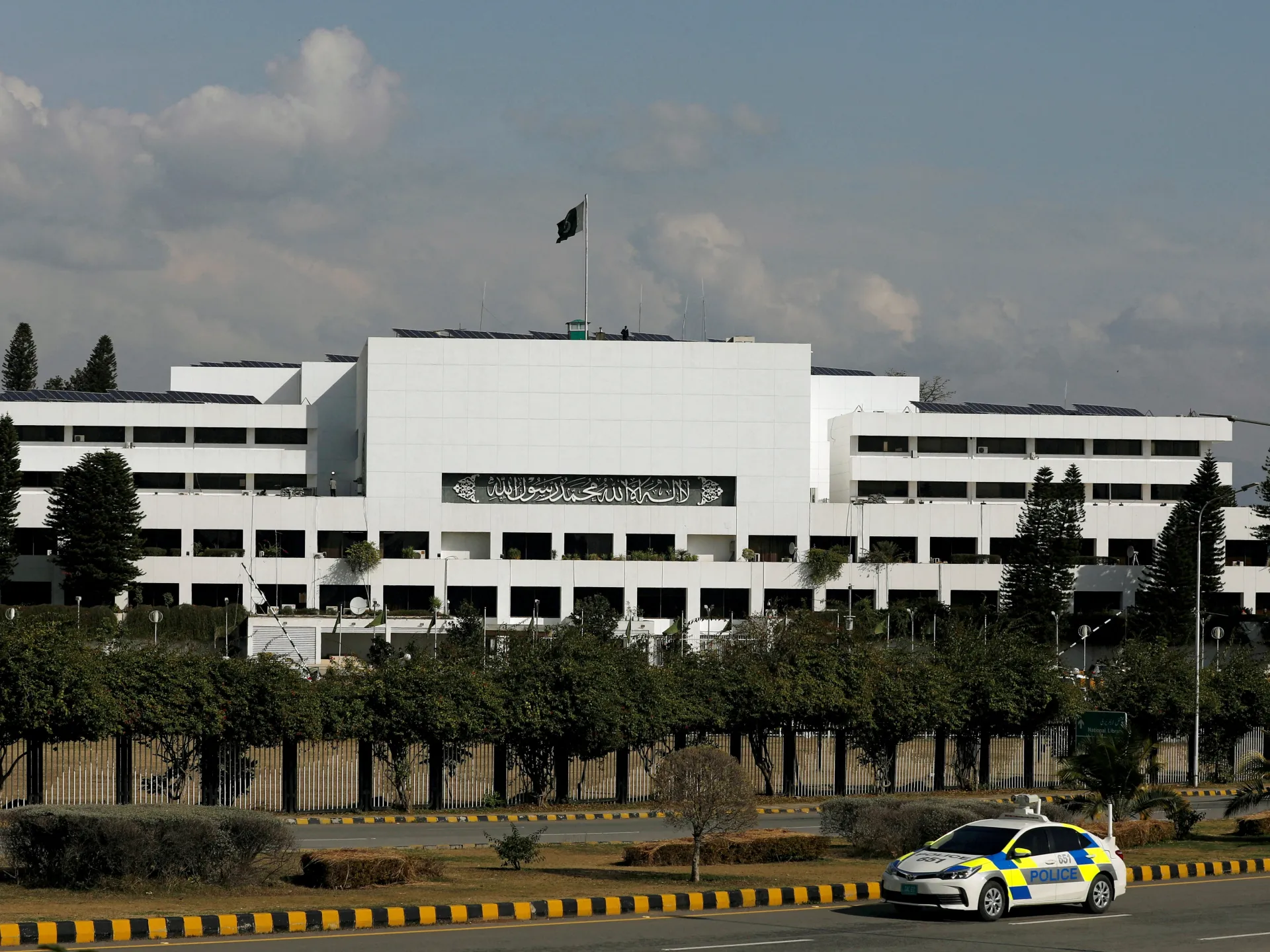
Continued violence in Lebanon and unresolved disputes threaten fragile diplomatic progress
Islamabad Prepares for High-Stakes US–Iran Talks Amid Fragile Ceasefire
As American and Iranian delegations gear up for a weekend of high-level talks in Islamabad, analysts caution that expectations for a major breakthrough remain tempered. The planned meeting on Saturday follows a two week ceasefire brokered earlier this week by Pakistan a rare diplomatic opening after weeks of military escalation in the Middle East.
However, the truce which came into effect Tuesday night is already showing signs of strain. Israel’s ongoing bombardment in Lebanon, which Pakistan and Iran assert falls outside the parameters of the ceasefire, has complicated efforts to stabilize the fragile peace. Washington, meanwhile maintains it never agreed to restrict Israeli actions.
Experts emphasize that the foundational conditions for productive dialogue are not yet fully in place.
“It’s too early to predict the outcome… the ceasefire did not last even a single day,” they note referencing the continued violence in Lebanon. “That must stop if the Islamabad talks are to proceed with purpose.”
The ceasefire though short-lived, temporarily eased tensions that had rattled global energy markets and heightened fears of wider regional conflict. Yet lingering mistrust between Tehran and Washington combined with unresolved disputes over sanctions, nuclear development and regional security including the situation in Lebanon, underscore the fragility of the process.
From the American side, the delegation is expected to include senior officials, while Iran has signaled it will send a high-level team, though official confirmation is pending.
Security preparations are already underway in Islamabad with police conducting vehicle inspections at checkpoints to ensure the safety of delegates and maintain public order.
Experts stress that the talks are unlikely to yield a formal peace agreement at this stage. Instead, they view the negotiations as an initial test of whether diplomacy can take root amid deep-rooted mistrust.
Analysts point to structural constraints:
“The only realistic outcome at this stage is one that aligns with the UN Charter. Iran will not abandon uranium enrichment, nor will the US permit a nuclear armed Iran.” They further note that sanctions relief in the immediate term is improbable, even as both sides signal willingness to explore pathways that avoid military escalation.
Pakistan as mediator is primarily focused on sustaining the ceasefire and ensuring talks remain on track. Observers explain that the immediate goal is continuity:
“The ceasefire is tenuous due to the underlying complexities. The most meaningful outcome would be a sustained negotiation process, gradually addressing contentious issues.”
Early progress could pave the way for an extension of the truce, creating space for constructive discussion on critical matters such as a permanent ceasefire, reopening the Strait of Hormuz, and finding common ground on nuclear enrichment and sanctions. While predicting timelines remains difficult, visible momentum in these areas would signal a significant step forward.
In a region where trust is scarce and stakes are high, the Islamabad talks represent more than a diplomatic formality—they are a measure of whether careful negotiation can begin to replace confrontation. As the world watches, Pakistan’s role as mediator will be tested, and the outcome, however incremental, may set the tone for future US Iran engagement.