Iran Launches Massive Missile Attack Across Gulf Region, Explosions Reported in Qatar, Bahrain, Kuwait and Iraq
Explosions reported in Qatar, Bahrain, Kuwait and Iraq as regional tensions surge and fears of wider conflict grow.
By Web Desk • Jun 03, 2026
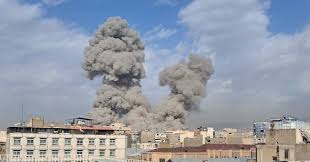
Multiple explosions reported as air-defense systems intercept incoming threats.
Iran Launches Missile Barrage Across Gulf Region, Explosions Reported in Qatar, Bahrain, Kuwait and Iraq
DOHA/TEHRAN: Tensions in the Middle East escalated dramatically after Iran launched a large-scale missile attack targeting military and strategic locations across the Gulf region, with explosions reported in Qatar, Bahrain, Kuwait and Iraq.
According to regional security sources, air-defense systems were activated across several countries after multiple missiles and drones were detected heading toward areas believed to host U.S. and allied military forces. Loud explosions were heard in Doha, Manama and parts of Iraq as defensive systems intercepted incoming threats.
Qatari authorities confirmed that their air defenses successfully engaged several missiles, while Bahrain and Kuwait also reported defensive operations to protect critical infrastructure and military facilities. Security forces across the region were placed on high alert, and additional protective measures were implemented around airports, oil installations and government buildings.
Iran’s Islamic Revolutionary Guard Corps (IRGC) claimed responsibility for the attacks, describing them as retaliation for recent military actions against Iranian interests. Iranian state media said the operation demonstrated Tehran’s willingness to respond forcefully to perceived threats.
The missile barrage comes amid growing tensions between Iran and the United States, following weeks of heightened military activity and stalled diplomatic efforts. Analysts warn that the latest escalation could increase the risk of a broader regional conflict involving multiple countries.
Several international airlines adjusted flight routes through the Gulf as a precaution, while global leaders urged restraint and called for an immediate de-escalation of hostilities. The United Nations expressed concern over the situation and renewed calls for dialogue.
The attacks have also raised concerns about the security of energy infrastructure in the Gulf region, which plays a vital role in global oil and gas supplies. Experts warn that any further escalation could disrupt shipping routes and impact international energy markets.
As governments across the Middle East monitor the situation closely, military forces remain on heightened readiness amid fears that additional retaliatory actions could further destabilize an already volatile region.