Heatwave Alert: Karachi, Sindh to Sizzle as NDMA Warns of Extreme Weather
Pakistan Faces Climate Extremes: Heatwave, Storms Expected Across Regions
By Web Desk • Apr 24, 2026
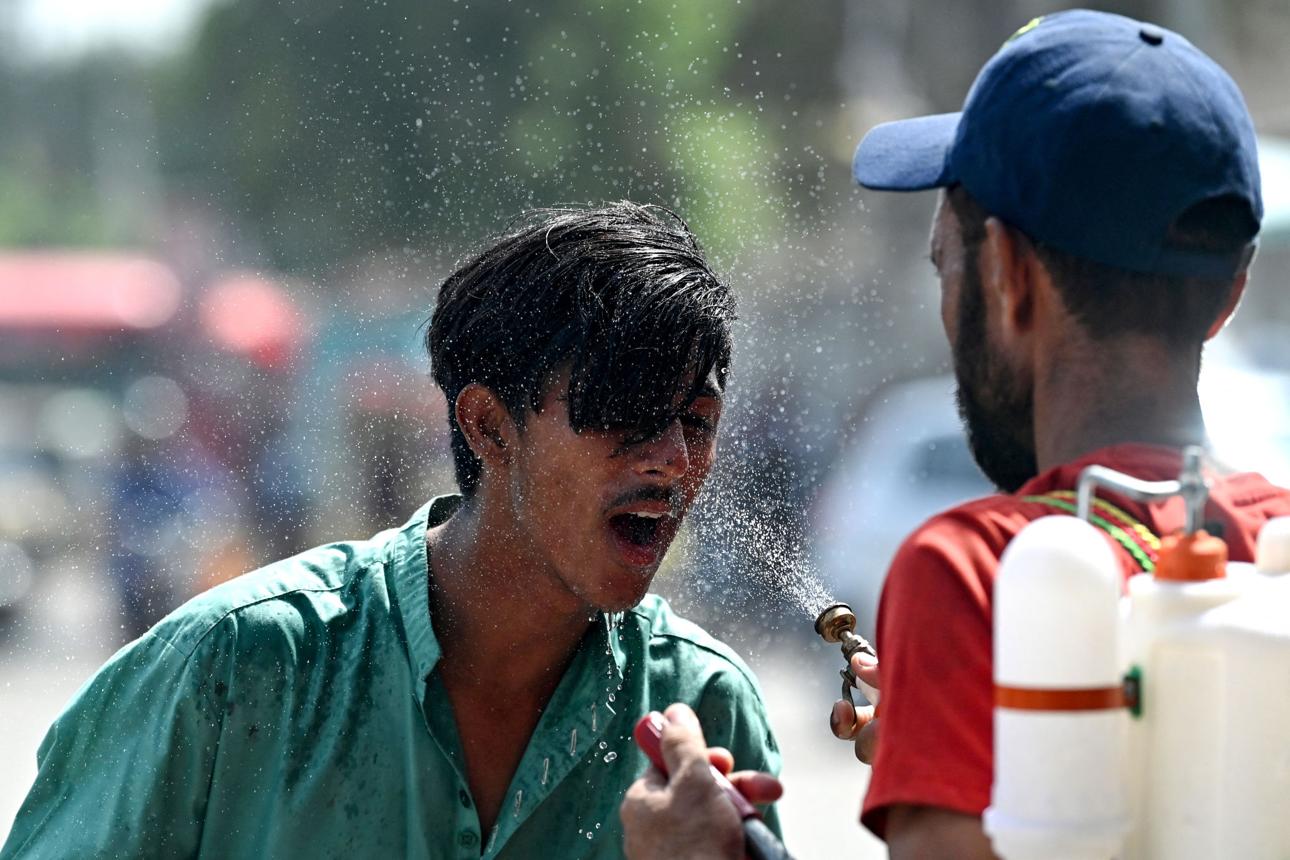
Pakistan Faces Climate Extremes: Heatwave, Storms Expected Across Regions
Heatwave Alert: Karachi, Sindh to Sizzle as NDMA Warns of Extreme Weather
The National Disaster Management Authority (NDMA) has issued a nationwide alert warning of an intense heatwave, with Karachi among the worst-affected cities expected to endure extreme temperatures until May 5.
In its advisory, the NDMA urged authorities to activate emergency response plans and advised citizens to take precautionary measures, including avoiding direct sunlight and increasing water intake to prevent heat-related illnesses such as dehydration and heatstroke.
According to the Pakistan Meteorological Department, while southern parts of the country will remain hot and dry, a separate weather system is likely to bring rain, windstorms, and thunderstorms to upper and central regions between April 24 and 29. Cities including Islamabad, Rawalpindi, and Lahore may experience showers and gusty winds during this period.
The NDMA noted that Sindh, southern Punjab, and parts of Balochistan are expected to face severe heatwave conditions, impacting major urban centres such as Hyderabad, Sukkur, Multan, and Turbat. Meanwhile, northern areas, including Gilgit-Baltistan and Azad Jammu and Kashmir, are forecast to receive intermittent rainfall with thunderstorms.
Authorities have been directed to establish cooling centres, ensure hospitals remain on high alert, and stay prepared for any emergencies arising from the evolving weather situation.
Separately, Prime Minister Shehbaz Sharif has ordered a high-level inquiry into the non-functional early warning system in Gilgit-Baltistan, designed to alert communities about glacial lake outburst floods. Chairing a meeting on climate preparedness, he expressed concern over delays and stressed the need for urgent action ahead of the monsoon season.
Emphasising Pakistan’s vulnerability to climate change, the prime minister called for improved coordination among institutions and stronger preventive measures to safeguard lives and property.