FBR Collecting Rs620bn in Taxes via Power Bills, Finance Committee Informed
AI-Powered Tax System to Launch from October 2026, NA Committee Told
By Web Desk • Jun 18, 2026
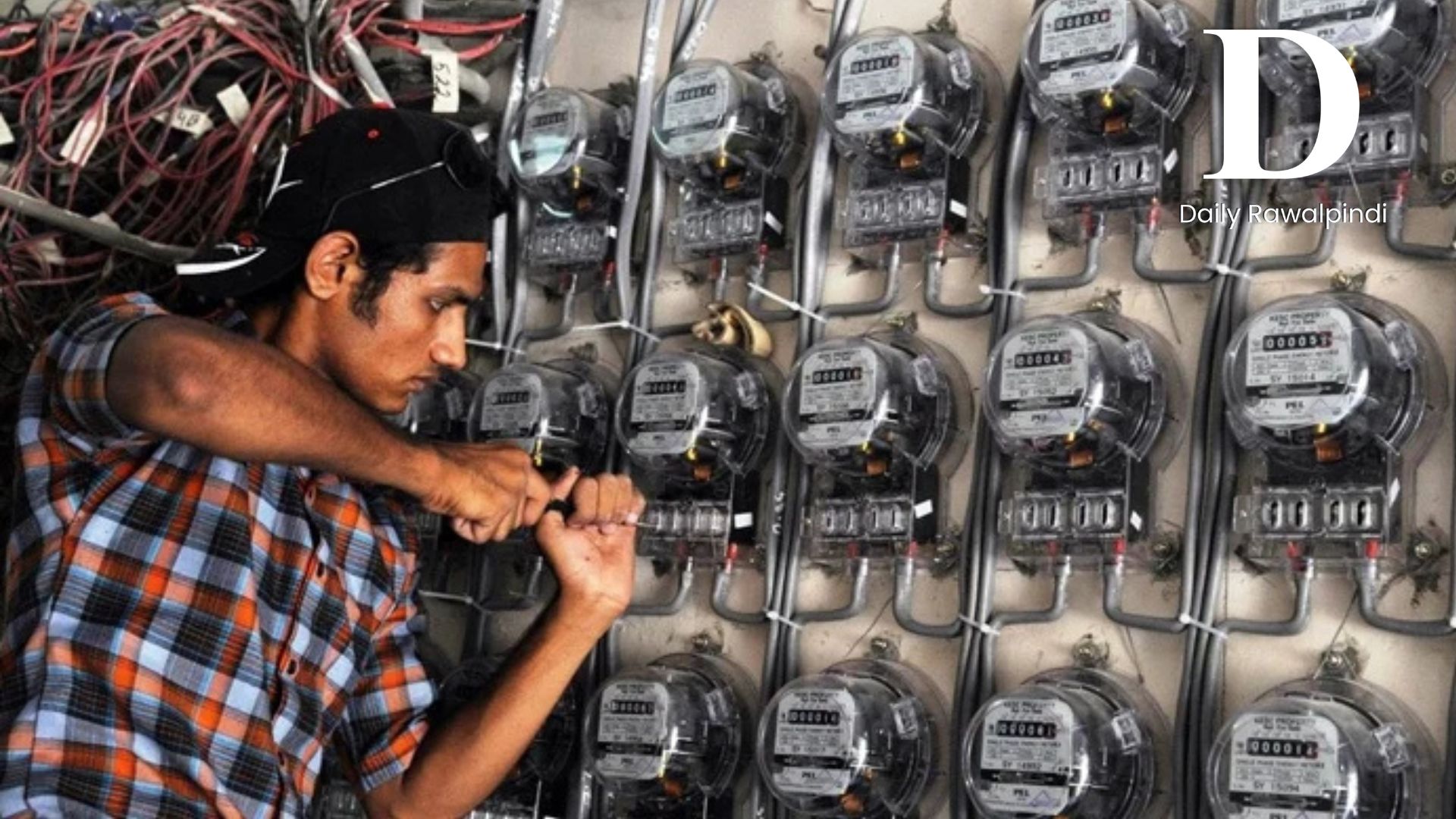
Rs620 Billion Recovered Through GST and Withholding Tax on Electricity Bills
ISLAMABAD: The National Assembly Standing Committee on Finance and Revenue was informed on Wednesday that the Federal Board of Revenue (FBR) collects approximately Rs620 billion annually through taxes charged on electricity bills.
According to FBR officials, the amount includes 18 percent General Sales Tax (GST) and withholding tax levied on electricity consumers. The withholding tax applies to consumers whose monthly electricity bills exceed Rs100,000.
During the meeting, PPP lawmaker Sharmila Faruqui criticised the proposed Retailers Fixed Tax Scheme, arguing that it effectively amounted to a tax amnesty because participants would not be subjected to routine audits. Despite her objections, the committee approved the scheme, with Chairman Syed Naveed Qamar stating that the government needed practical measures to bring an estimated 3.5 million retailers into the formal tax net.
Faruqui questioned why retailers were being offered incentives not available to other taxpayers, particularly salaried individuals. She described the scheme as discriminatory and warned that its voluntary nature could limit its effectiveness. Referring to international examples, she noted that similar initiatives elsewhere had been implemented on a mandatory basis.
Minister of State for Finance Bilal Azhar Kiani and FBR Member Dr Hamid Ateeq Sarwar defended the initiative, maintaining that it does not constitute a tax amnesty. Kiani explained that international commitments under IMF and FATF frameworks prevent the government from granting amnesties and said previous efforts to document retailers through enforcement alone had not succeeded.
Dr Sarwar clarified that a traditional tax amnesty generally includes protection regarding the source of income, the legalisation of undeclared assets and exemption from audits. He said the new retailers' scheme does not provide the first two benefits and that audits could still be conducted if significant discrepancies are detected.
The committee was also briefed on the FBR’s New Tax Operating Model, which aims to modernise tax administration through artificial intelligence and digital processes. Concerns were raised regarding transparency and the use of taxpayer data as the system transitions from conventional audits to AI-driven assessments.
FBR Chairman Rashid Mahmood Langrial presented the proposed model, explaining that artificial intelligence will play a central role in identifying discrepancies and interacting with taxpayers. He said the National Faceless System (Inland Revenue) will be introduced in phases beginning October 1, 2026.
Finance Minister Muhammad Aurangzeb told the committee that the new system is designed to curb revenue leakages, tax evasion and pilferage while reducing direct interaction between taxpayers and tax officials.
The FBR chairman highlighted several challenges facing the tax system, including widespread under-reporting of income and assets. He revealed that a large percentage of high-value property transactions are not declared in tax returns and that thousands of individuals holding substantial bank deposits report little or no taxable income.
Under the new framework, tax administration will be divided into specialised units. A National Faceless Audit Wing will conduct risk-based audits through digital systems, while a National Assessment Wing will handle assessments, notices and refunds. A separate Field Operations Wing will focus on enforcement, recoveries and taxpayer registration.
Taxpayers will be offered multiple opportunities to address discrepancies identified by the system before formal enforcement measures are initiated. The model also provides for electronic hearings, with tax officers remaining anonymous throughout proceedings.
According to the FBR, the reforms are intended to reduce taxpayer harassment, improve transparency and distribute powers currently concentrated in individual tax officials. The first phase of implementation will cover salaried taxpayers, while additional taxpayer categories will be incorporated during subsequent phases in 2027.